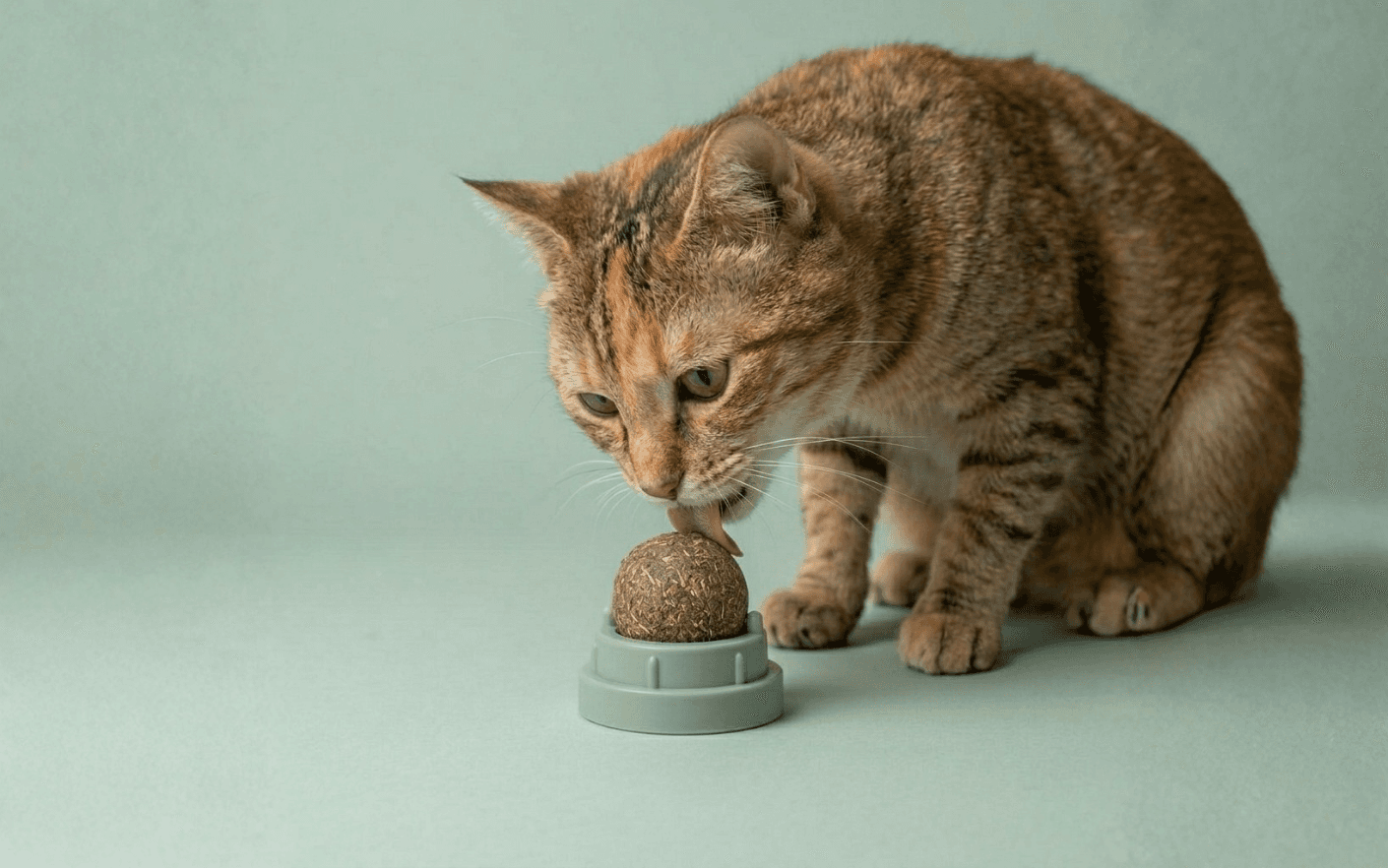
The Truth They Never Told You
Most cat owners are doing everything right. Joint function, muscle mass, and cognitive sharpness still decline anyway. Here's the missing piece.
Purrherb · Feline Wellness Series · Indoor Cat Health
Walk into any vet clinic and ask the staff what the most common findings are at a routine senior cat check-up. They'll say the same things. Weight up. Muscle condition score down. Some joint stiffness. Maybe a note about being "less interactive" than the previous year.
Owners hear this and think: diet. Or age. Or just the natural order of things.
They're usually wrong about the cause — and that gap in understanding is costing their cats years of healthy, engaged life.
The biggest driver of long-term feline health isn't what your cat eats. It's what your cat does — and for most indoor cats, the answer is almost nothing.
What's actually happening inside a bored cat's body
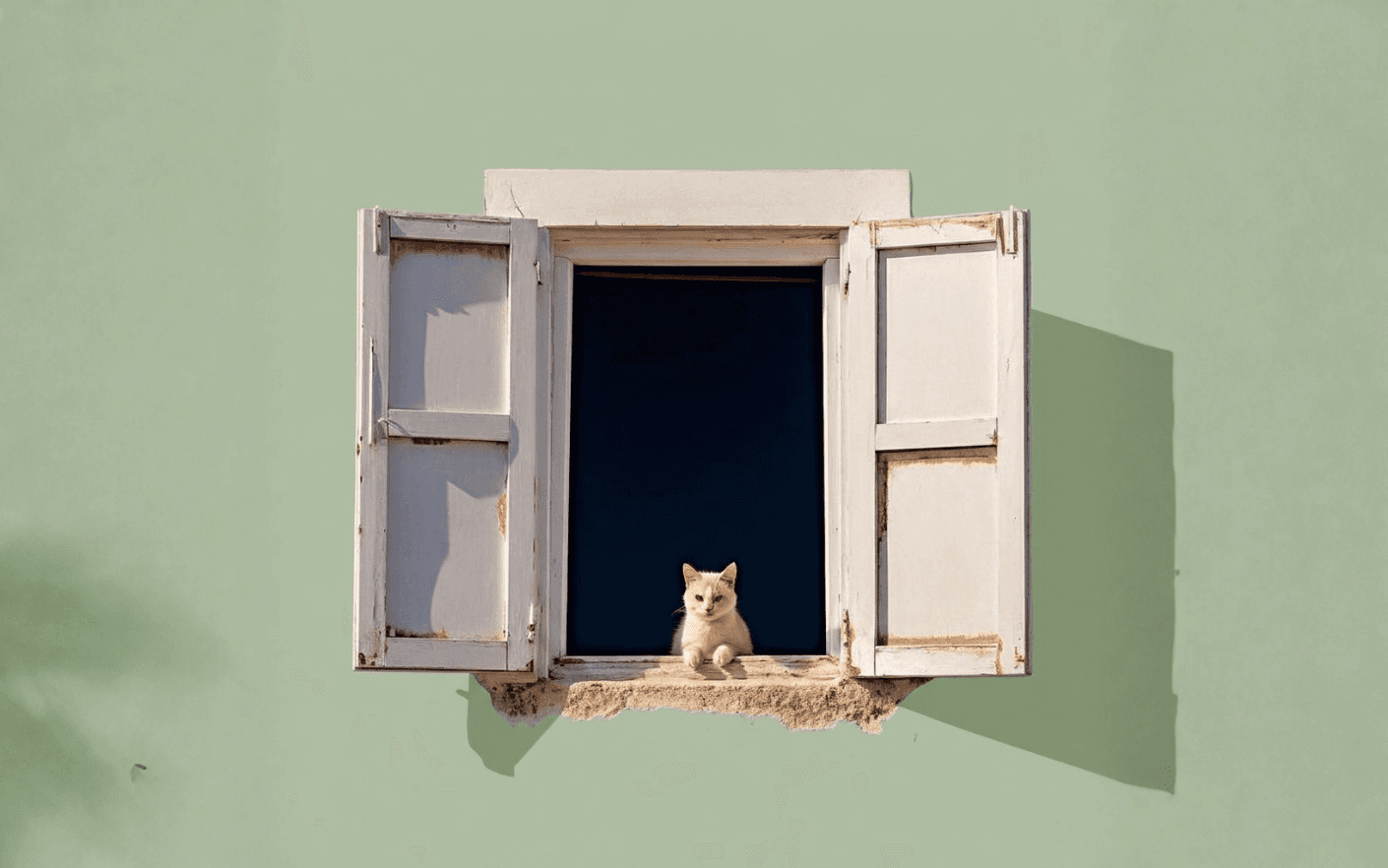
Cats are obligate hunters. Their bodies are built around a daily cycle of stalking, pouncing, and killing. In the wild, that happened naturally, multiple times a day. The moment a cat moves indoors permanently, that entire biological program goes dark. The drive is still there. You see it in the window-staring, the door-crying, the 3am yowl. But it has nowhere to go. Over months and years, the consequences build quietly across three systems that vets watch closely but rarely connect back to one thing: enrichment.
The Three Systems
Joint health.
Muscle tone.
Cognitive function.
01 Joint Health
Joint fluid only moves when your cat moves. A sedentary cat isn't just stiff, it's quietly wearing its joints down faster. The bunny-kick and batting motion of predatory play moves those joints without straining an aging body. Without it, cartilage breaks down on a timeline most owners chalk up to old age.
02 Muscle Tone
Cats build and keep muscle almost entirely through hunting movements. Sitting still does not maintain it. A cat that looks healthy at 10 may have already lost a significant amount of the muscle it had at 7, simply because nothing in its environment asked it to move with purpose.
03 Cognitive Function
Feline dementia is increasingly linked to chronic boredom, not just age. Scent tracking and predatory play are among the most mentally demanding things a cat can do. Cats that do them regularly stay sharper longer. Those that don't tend to decline earlier than their genetics would suggest.
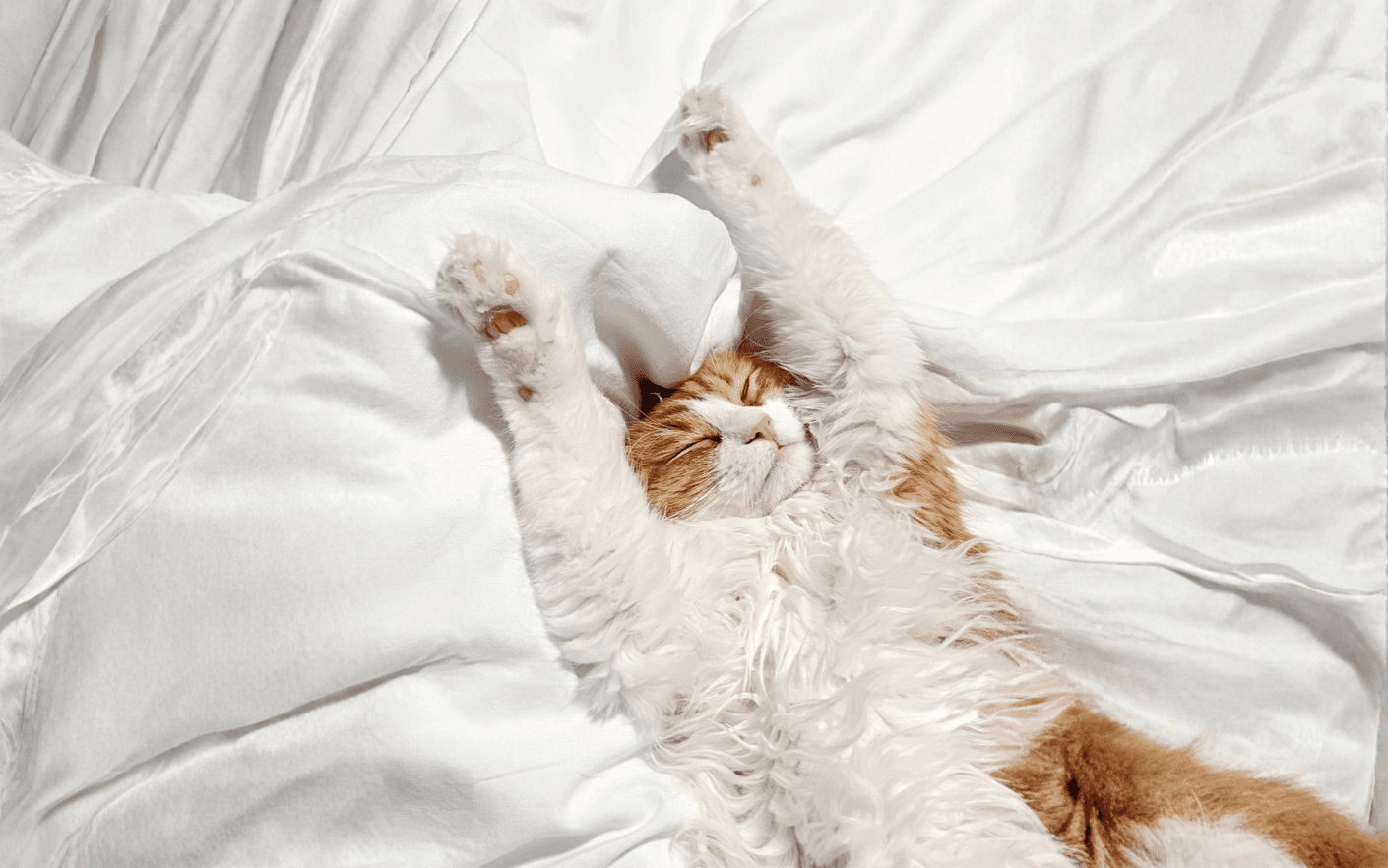
None of this is dramatic. That's what makes it easy to miss. The joint stiffness looks like "taking it easy." The muscle loss looks like "not as playful as a kitten." The cognitive decline looks like "just being a calm, quiet old cat." By the time most owners register something is wrong, the decline is well underway.
The calorie connection nobody talks about
Most people are surprised to learn that mental stimulation burns calories. Not like running does, but the brain is expensive to run. A cat actively tracking scent and completing a full hunt burns meaningfully more energy than a cat watching a wall. This is why indoor cat obesity is so resistant to diet changes alone. It is not purely a food problem. It is a metabolism problem. Bored cats have higher cortisol, a slower resting metabolism, and a body that shifts toward fat storage no matter how carefully their meals are portioned.
Enrichment isn't a nice-to-have. For indoor cats, it's a metabolic intervention.
82%
of domestic cats now live exclusively indoors in North America
30%
of cats don't respond to catnip at all. Genetics, not preference
75%
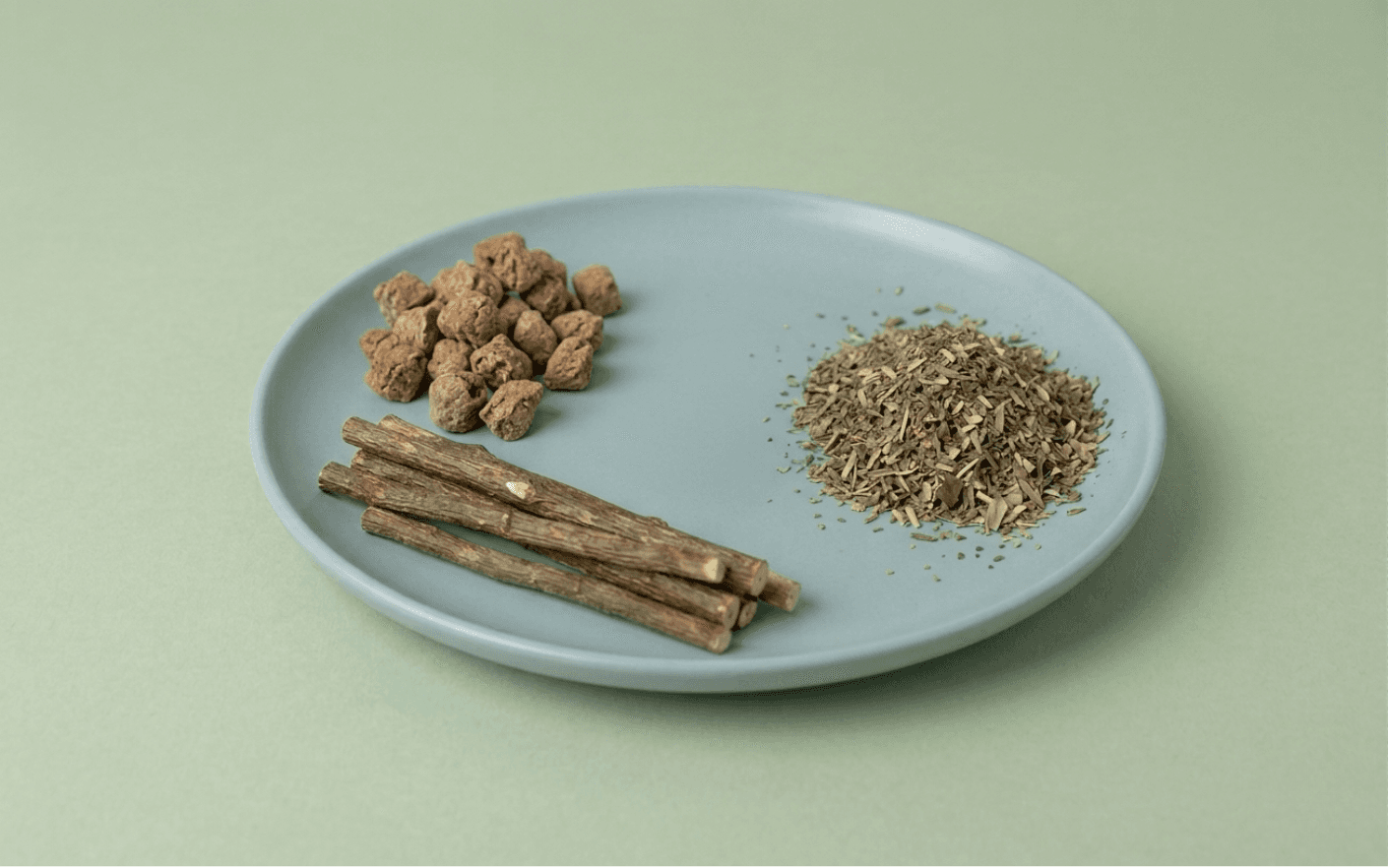
of catnip-non-responsive cats do respond to silvervine
Why most toys fail, and what actually works
The problem is not that cat owners do not try. Most have spent real money watching toys get sniffed once, batted under the couch, and never touched again. That is not the cat being difficult. That is the toy failing to trigger the right sequence in the brain.
Laser pointers have no catch, no kill. Vets call chronic laser play predatory frustration: the brain starts the hunt, hits a wall, and the cat keeps searching for a dot that was never really there. Motorized toys move too fast, make noise, carry no scent, and break. Track balls roll under the fridge. The pile of ignored toys in the corner keeps growing, good intentions met with the wrong product every time.
What the predatory sequence actually needs to complete
Every cat still has a hunter inside them. Age doesn't remove it. The wrong environment just gives it nowhere to go. What a senior indoor cat needs isn't a faster toy or a louder one. It needs something ground-level and soft, something it can stalk, grab, and bunny-kick at the pace its body can actually sustain, with a scent trigger strong enough to start the sequence in the first place. When those conditions are met, the sequence completes. The cat grooms itself afterward, finds a spot in the sun, and sleeps the deep, satisfied sleep of an animal that caught something. That's not a small thing. For a cat spending its entire life within four walls…
it might be the most important thing you give it.