
by
Catherine Barnette, DVM
Published on
What's Actually Happening Inside Your Cat's Mouth
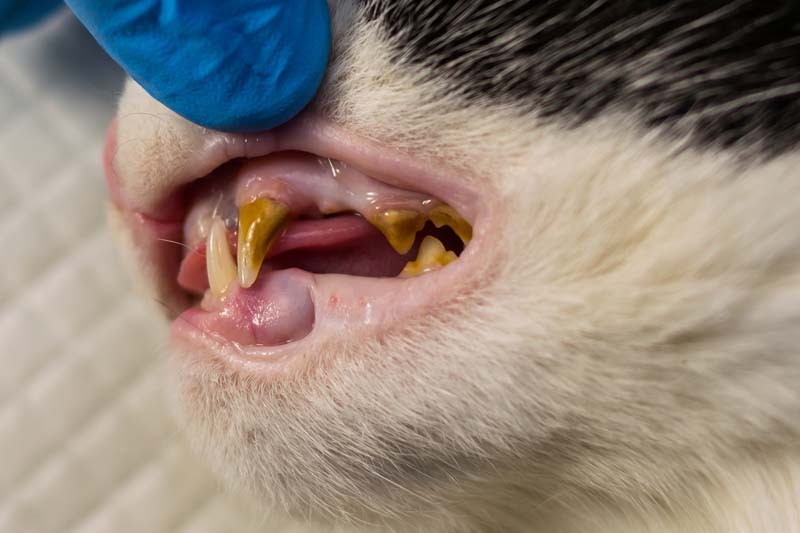
Plaque is a bacterial biofilm that forms on teeth after eating. In its early stages, it's more than 90% liquid. Left untreated, it binds with minerals in saliva and hardens into calculus, the yellowish-brown buildup visible on your cat's molars.
Once calculus forms below the gumline, bacteria can enter the bloodstream directly.
"Untreated, dental disease can lead to pain, tooth loss, and even systemic health problems like kidney and heart disease," note multiple veterinary sources citing peer-reviewed data.
Most cat owners don't know this part. They know the breath is bad. They don't know where it can lead.
The Research on Dental Disease and Organ Failure
Two large studies have examined the connection between periodontal disease and systemic illness in cats.
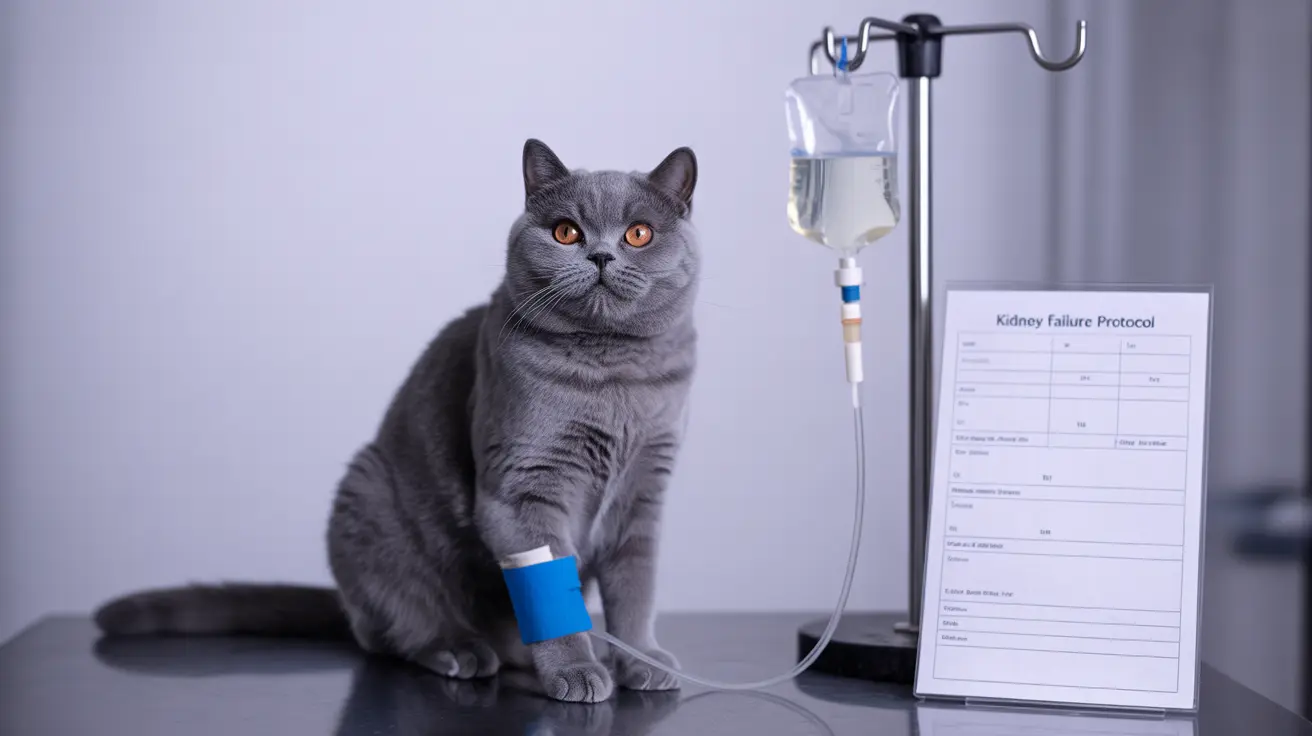
The first, published in the Journal of Veterinary Internal Medicine, followed 148 senior cats. Cats with moderate dental disease were 13.8 times more likely to develop chronic kidney disease. Cats with severe dental disease were 35.35 times more likely. That was the highest hazard ratio recorded in the study.
The second study reviewed records from 169,242 cats. It found that periodontal disease was associated with a 2.32× increased risk of heart murmur and a 2.01× increased risk of cardiac dysrhythmia.
These aren't minor associations. They suggest that oral bacteria, left untreated, can contribute to some of the most serious conditions in aging cats.
Why Brushing Doesn't Work for Most Cats
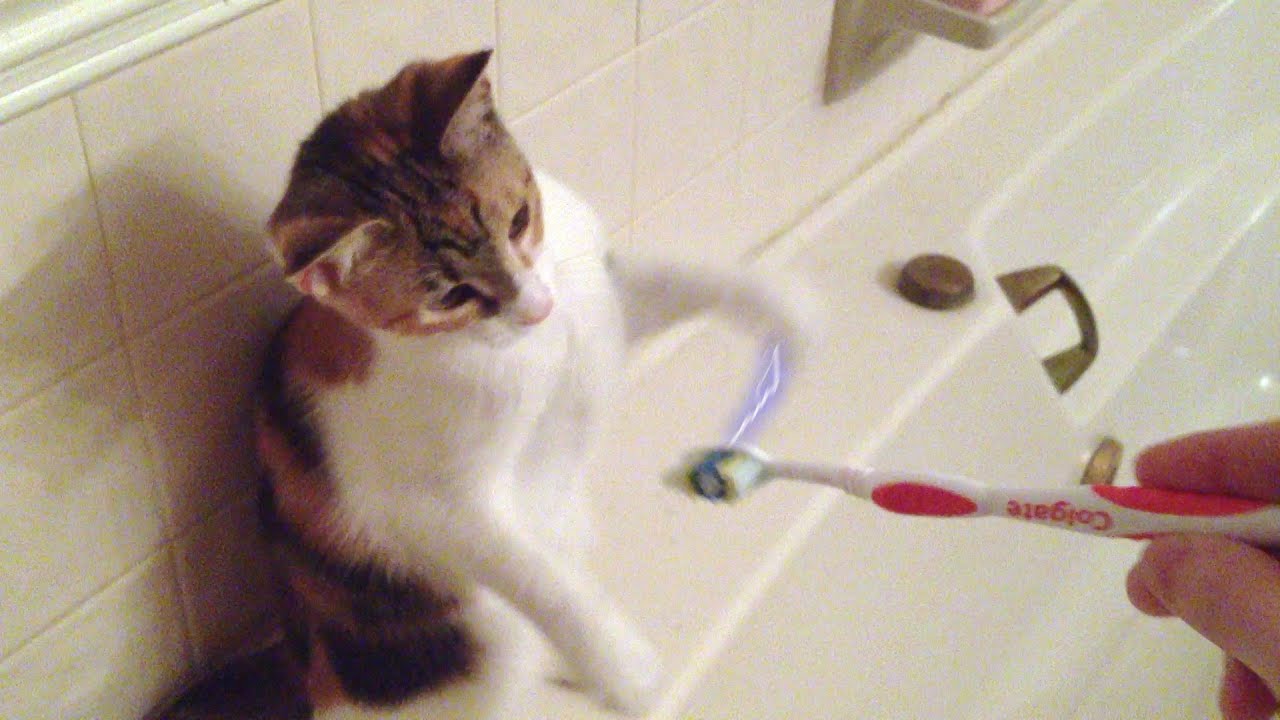
Daily brushing is still considered the most effective method for removing plaque before it hardens. The problem is compliance.
Most cats won't tolerate a toothbrush. Attempts often result in scratching, biting, and a cat that avoids its owner for the rest of the day. Studies estimate that fewer than 2% of cat owners brush their cat's teeth consistently.
For the other 98%, the standard advice of "just brush their teeth" isn't a realistic option.
Why Most Water Additives Fail
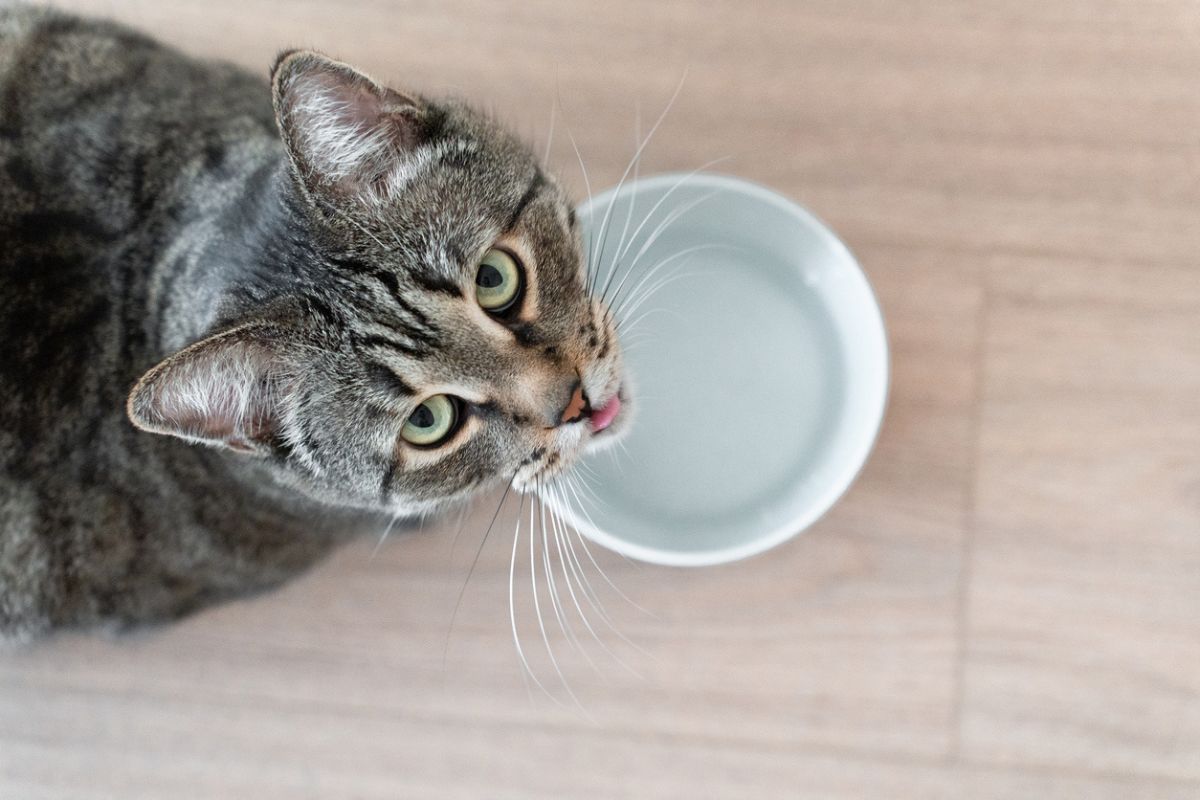
Water additives are designed to fill that gap. Added to your cat's drinking water daily, they work passively. No restraint, no toothbrush, no struggle.
The problem is that many cats refuse them.
This isn't stubbornness. It's biology. A cat's sense of smell is vastly more sensitive than a human's. They process chemical information through two systems: standard olfactory receptors and a secondary system called the Jacobson's organ, which detects trace compounds in water with extreme precision.
Many water additives contain preservatives like sodium benzoate, or synthetic stabilizers that leave a detectable chemical profile. The cat smells a change in its water and stops drinking. In cats with existing kidney disease, even mild dehydration can accelerate organ decline.
A 2026 study from Iwate University confirmed that cats stop consuming a substance not from fullness, but from olfactory habituation, a hard-wired response that flags unfamiliar chemical compounds as a potential threat.
So the additive that was supposed to protect the kidneys can make things worse if the cat stops drinking.
What Actually Makes a Water Additive Work for Cats
The rejection problem comes down to one thing: chemical detectability.
Most additives use preservatives to extend shelf life. Sodium benzoate is the most common. At concentrations that are technically safe for cats, it still produces a chemical signature that the Jacobson's organ picks up. The cat doesn't taste anything. But it smells something that wasn't there before. And it walks away.
An additive that a cat won't drink isn't an additive. It's just an expensive reason for your cat to dehydrate.
For a water additive to work, it needs to clear two bars. First, it has to be genuinely undetectable to the cat. Not "low odor." Not "most cats don't notice." Completely undetectable. Second, it has to actually address the biofilm before it mineralizes.
How the Enzymatic Approach Works
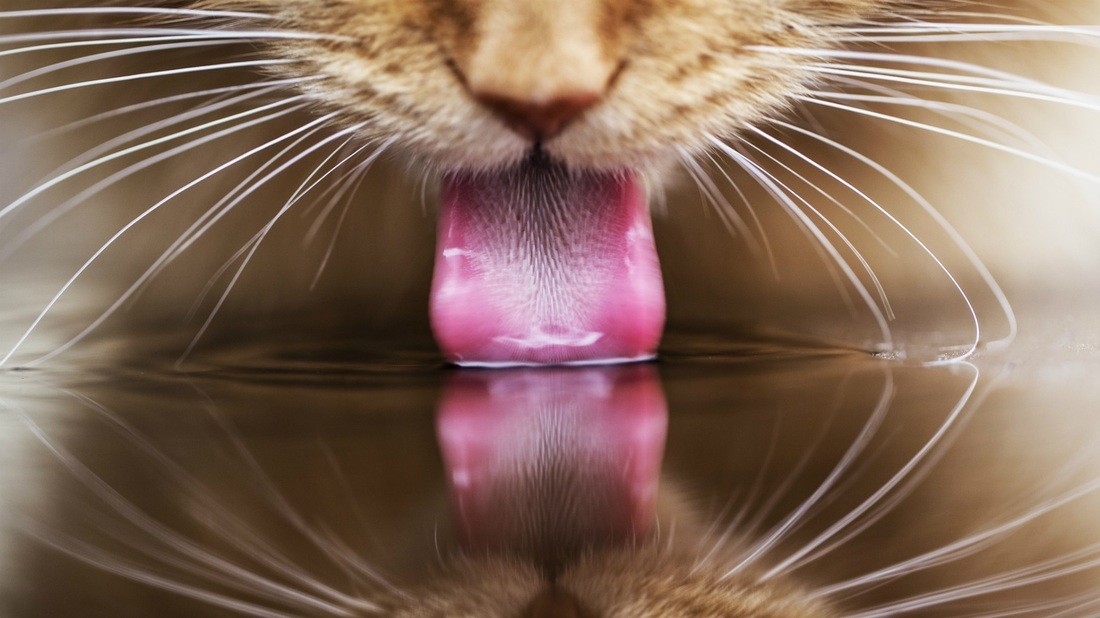
The most clinically supported water additives use an enzyme system rather than antimicrobial chemicals.
The mechanism is straightforward. Specific enzymes, including glucose oxidase and lactoperoxidase, use the cat's own saliva as a catalyst. Together they produce a low-level antibacterial effect that targets the bacterial biofilm directly. The enzymes break down the matrix that holds the biofilm together, preventing it from binding with minerals and hardening into calculus.
These enzymes occur naturally in cat saliva. An additive that uses them isn't introducing a foreign substance. It's supplementing something the cat's body already produces.
One thing to be clear about: water additives cannot remove calculus that has already hardened. Once tartar is calcified, only a veterinary cleaning can remove it. What enzymatic additives do is prevent new biofilm from mineralizing, and in doing so, protect the organs from the ongoing bacterial exposure that comes with untreated periodontal disease.
What Owners Report
The results people describe after consistent use tend to follow a pattern.
Breath improvement is usually the first thing noticed, within a few weeks. Less visible plaque buildup follows over months. And some owners report changes they didn't expect.
One reviewer wrote: "He seems more energetic than he's been in at least a couple years. It could be his toxic-smelling tartar was poisoning him, as well."
Another, who had been using an enzymatic dental water additive since 2002, noted that her cat turned 17 without ever needing a professional dental cleaning.
These aren't guaranteed outcomes. Every cat is different, and existing disease requires veterinary attention. But for prevention, the data and the reviews point in the same direction.
What to Look For Before You Buy
Not all water additives are formulated the same way. A few things worth checking before choosing one:
Preservative profile. Avoid products that list sodium benzoate or potassium sorbate. Both are detectable to cats at low concentrations.
Enzyme-based formula. Look for glucose oxidase, lactoperoxidase, or similar enzymatic ingredients. These target biofilm at the source rather than masking odor.
Fountain compatibility. If your cat uses a water fountain with a charcoal filter, confirm the additive is formulated to remain active in filtered systems. Some are removed by charcoal before they have any effect.
Odor and taste claims. "Low odor" is not the same as odorless. For cats with sensitive olfactory systems, the distinction matters.
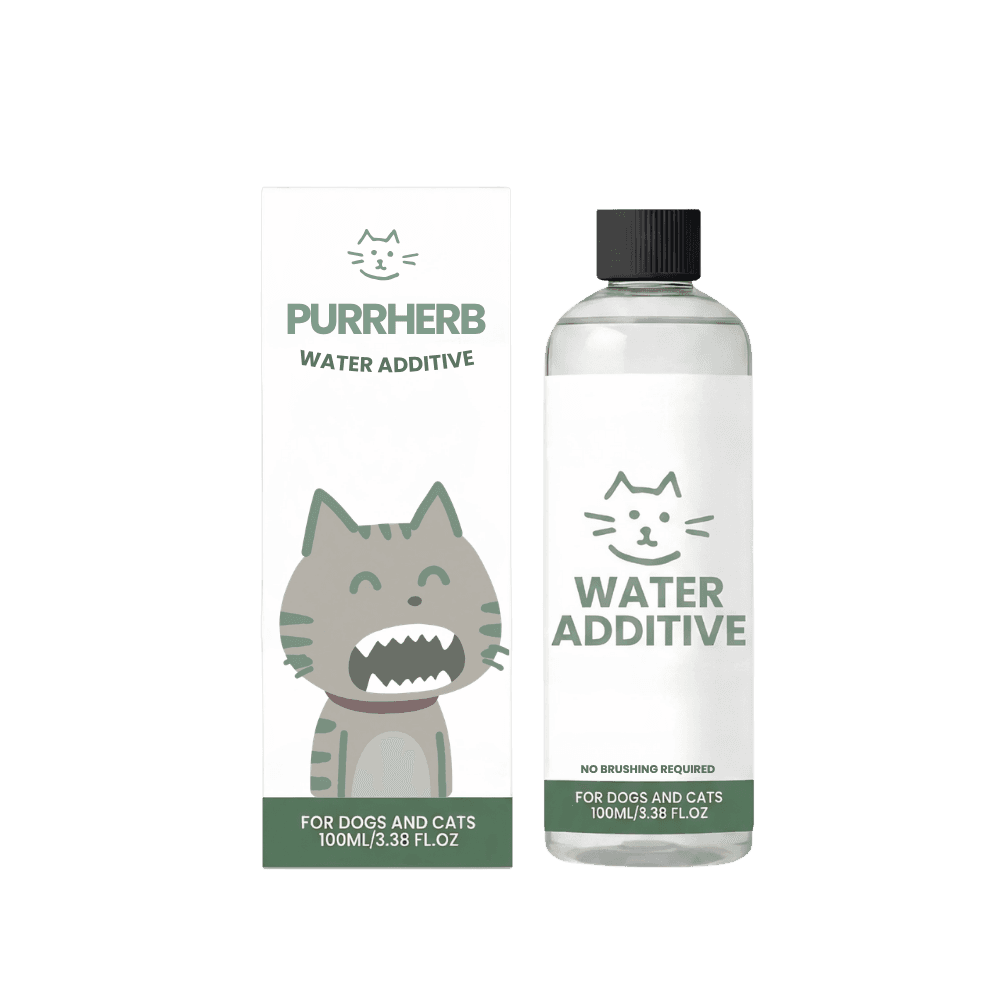
Purrherb is formulated specifically around these criteria. It contains no synthetic preservatives, uses an enzymatic delivery system, and is designed to remain active in fountain filtration systems. It is completely clear and adds no detectable odor or taste to the water.
One teaspoon per day in your cat's water bowl. That's the full protocol.
Purrherb Dental Water
This water additive, designed to fight plaque and tartar, is formulated using cutting-edge research on bacterial biofilms. Its active ingredients bind to magnesium, calcium, and iron found in dental biofilm, effectively removing the food source of harmful bacteria.
The Bottom Line
Dental disease in cats is extremely common. The connection between periodontal bacteria and kidney and heart disease is well-documented. And the standard solutions, brushing and professional cleanings, are either impractical or carry their own risks for aging cats.
A well-formulated water additive doesn't replace veterinary care. But used consistently, it addresses the one thing that matters most: keeping bacterial biofilm from mineralizing in the first place, and keeping oral bacteria out of the bloodstream.
If your cat is drinking water anyway, it's the lowest-friction intervention available.