Why Sleep Feels Harder During Hormonal Changes
Night sweats, restless sleep, and early wake-ups often share a hormonal connection.
About this article
Sleep disruptions during midlife are closely tied to hormonal shifts that affect body temperature regulation, stress hormones, and circadian rhythm.
Date:
Author:
Emily Hart
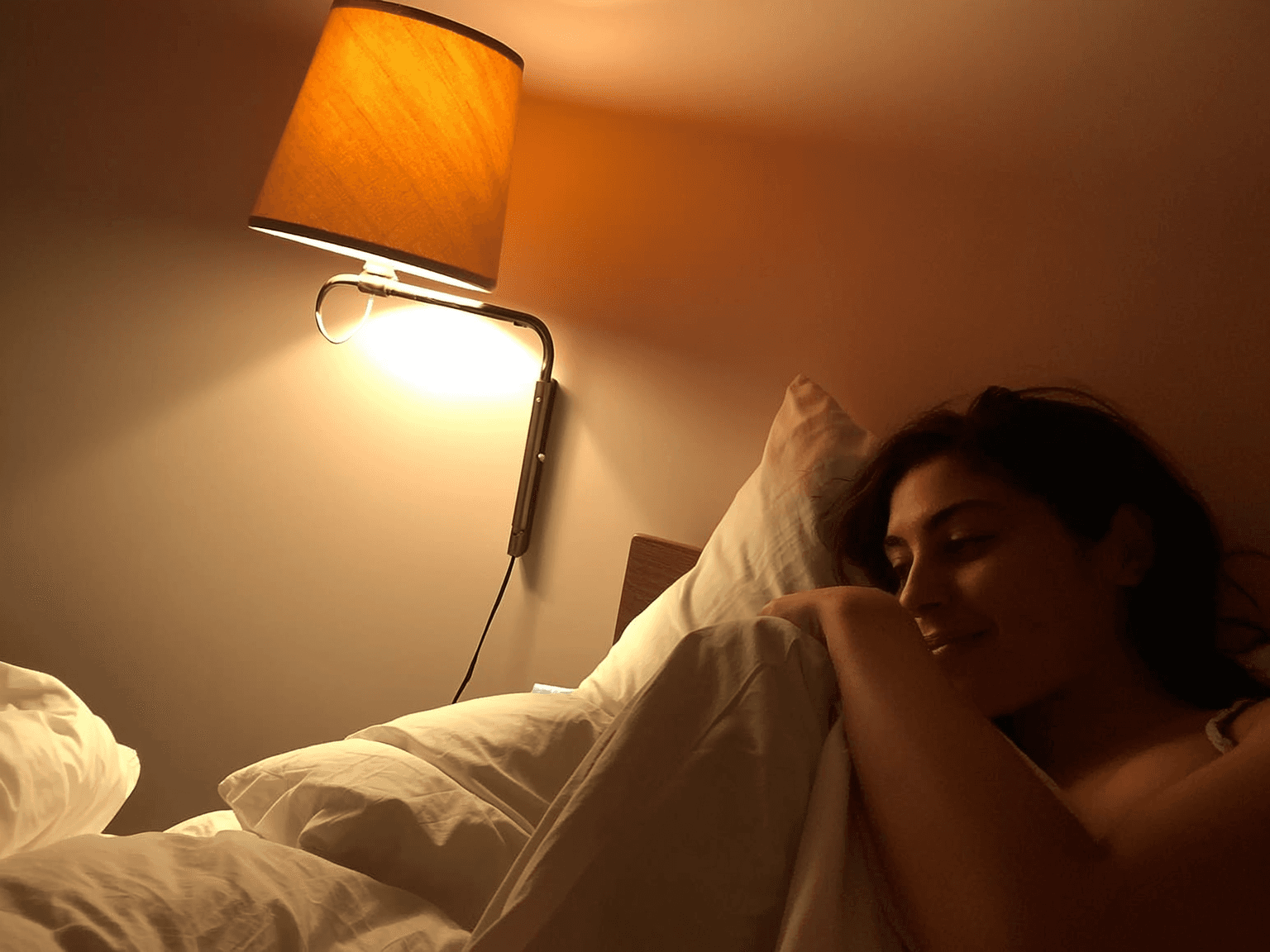
Hormones influence many systems involved in sleep, including melatonin production and temperature regulation. During hormonal transitions, these systems may become less synchronized.
Night sweats can interrupt sleep cycles, while changes in cortisol may contribute to early waking or difficulty falling asleep. Over time, disrupted sleep can affect mood, energy, and focus.
Understanding the hormonal link helps explain why traditional sleep advice doesn’t always feel effective during this stage of life.
“Sleep disturbances during hormonal transitions are often multi-factorial, involving temperature sensitivity, stress hormones, and circadian rhythm shifts.”
Emily Hart
Sleep & Neuroendocrine Researcher